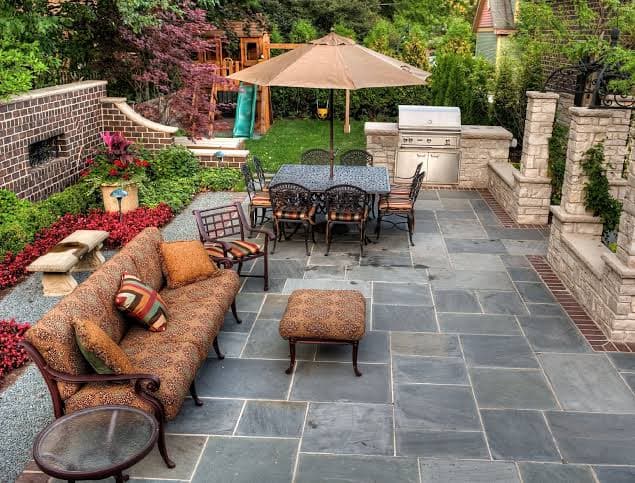
Stone work & retaining walls
Stacked stone and retaining walls built to actually hold ground.

Get a free quote
By submitting you agree to be contacted about your project. We respect your privacy. For faster service, call (909) 927-0141.
What's included
This covers natural stone and stacked-stone veneer work — accent walls, planter borders, and seating walls — along with structural retaining walls built to hold back a slope or grade change.
A retaining wall is holding back real soil pressure, which means drainage is as important as the stone or block itself. We build in backfill with drainage gravel and, where the wall height calls for it, a perforated drain pipe behind the wall so water pressure doesn't build up and push the wall out over time.
Southern California's clay and expansive soils put extra load on retaining walls as they expand and contract with moisture, so wall height, footing depth, and drainage all get sized to the actual slope and soil, not a generic spec.
How it works
Step by step, here's what actually happens on site:
- 1Walk the slope or grade change and talk through wall height, material, and drainage needs.
- 2Excavate and pour or compact a footing sized to the wall height and soil.
- 3Build the wall with proper backfill and drainage gravel behind it as it goes up.
- 4Finish with stone veneer or cap where called for, and grade the top for drainage.
Why All American Concrete
We size footing and drainage to the actual wall height and slope instead of building every wall the same way regardless of how much soil it's holding back.
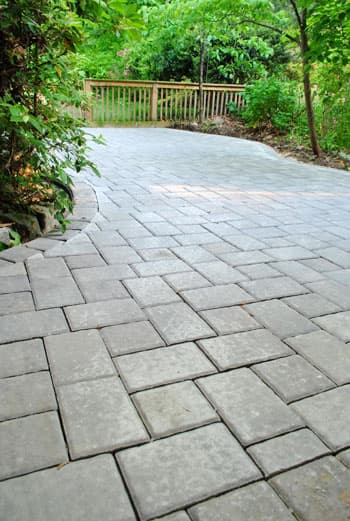
Stone and paver work can be designed together, so a retaining wall, patio, and walkway read as one finished space instead of separate add-ons.
Project gallery
Stone work & retaining walls FAQ
Do I need a permit for a retaining wall?
Depending on height and location, many Southern California cities and counties require a permit for retaining walls above a certain height (commonly around 3–4 feet). We'll flag it during the estimate if your project likely needs one — check with your local building department for the exact threshold.
Why do retaining walls fail or lean over time?
Almost always drainage — water builds up behind the wall with nowhere to go and pushes it forward. Backfilling with drainage gravel and a drain pipe behind the wall is what prevents that.